Still have questions? Leave a comment
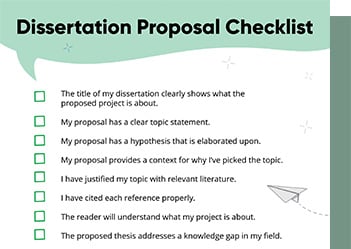
Checklist: Dissertation Proposal
Enter your email id to get the downloadable right in your inbox!
[contact-form-7 id="12425" title="Checklist: Dissertation Proposal"]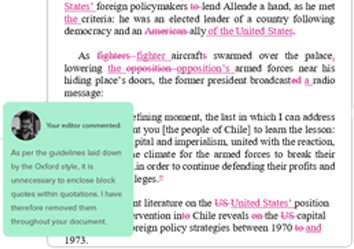
Examples: Edited Papers
Enter your email id to get the downloadable right in your inbox!
[contact-form-7 id="12426" title="Examples: Edited Papers"]Looking
to self-publish
your book?
How to Publish a Comic Book: Nine Steps & Publishing Costs
 Oct 23, 2024
 5
min read
5
min read
- Tags: Fiction, Fiction Writing, Writing Tips
Are you keen to publish your comic book and share your creativity with the world? Many writers dream of publishing a comic book with engaging narratives and captivating illustrations. However, handling the process, from idea development and writing to publication, can be challenging.
Understanding the publishing process is crucial, both for aspiring and established writers. This guide will explain how to publish a comic book. We will also break down the costs to help you budget effectively.
Understanding comic book publishing
Comic book publishers know that comic book publishing has evolved over the years, so creators have two distinct paths today. They are traditional publishing and self-publishing.
The traditional vs. self-publishing decision is difficult and requires careful thought. Let us study the difference between these forms of publishing in this section.
Traditional publishing vs. self-publishing for comic books
| Aspect | Traditional publishing | Self-publishing |
|---|---|---|
| Control over content | Comic book publishers usually have editorial control. Creators may need to make changes based on publisher guidelines. | Creators have full creative control over the comic's content, including story, artwork, and format. No external edits are made unless allowed by the creator. |
| Cost | Costs are typically covered by the publisher. However, royalties are lower, and some rights may be signed over. | Costs like comic book printing, marketing, and distribution are borne by the creator. The cost to self-publish a comic book can vary, but it is entirely managed by the creator. |
| How to publish a comic book | You need to submit a manuscript or proposal to comic book publishers. They handle the production and distribution but may take a long time to accept and publish the work. | You can learn how to self-publish a comic book by handling all aspects, from writing to production. Online platforms allow creators to publish a comic book online or in print themselves. |
| How to publish a comic book for free | Traditional publishers usually do not charge publishing fees, but the process is highly competitive, Also, creators may not have full ownership of their work. | Self-publishing for free is possible using digital platforms where creators can upload and distribute their work. However, printing physical copies will still incur costs. |
| Revenue | Publishers offer royalties (a percentage of sales) but may claim a significant portion of profits. | All profits go to the creator. If they self-publish comic books, they can retain full earnings, minus platform fees or printing costs. |
| Time to publish | It can be a long process, ranging from months to years. Publishers have their schedules, and creators must wait for approval and production. | Self-publishing a book allows creators to set timelines. They can publish as soon as the comic is ready, which speeds up the process. |
| Editing and proofreading | Publishers provide professional editing & proofreading services as part of the publishing package, ensuring the work meets industry standards. | Creators must find their own editing & proofreading services or manage the editing process themselves to ensure quality. |
| Distribution | Publishers have access to large distribution channels, making it easier for comics to reach a wide audience in stores and online. | Creators are responsible for distribution. They can self-publish a comic book online or use print-on-demand services to distribute physical copies globally. |
| Marketing | Publishers often handle marketing but may not invest heavily unless the comic has proven potential. Creators might still need to promote their work. | Creators must handle all aspects of marketing, including online promotions, social media, and comic conventions. However, this allows for personalized marketing strategies. |
| Comic book printing | Publishers manage the printing process, ensuring professional quality but at the expense of creative input and control over the final product. | Self-publishing requires the creator to handle comic book printing, either through print-on-demand services or by coordinating with local printers for physical copies. |
| Rights and ownership | Often, publishers retain some rights to the comic book, including merchandising and future adaptations. | Full ownership of the comic book remains with the creator, including the ability to license, sell, or adapt the work as they see fit. |
| How much does it cost to publish a comic book? | Publishers typically cover costs, but they take a large cut of the profits and rights. | Costs vary depending on the platform, printing, and marketing efforts. Self-publishing a comic book can be cheap or expensive, depending on a creator’s self-publishing choices. |
How to publish a comic book: A step-by-step guide
Writers not only need to think about idea development, content coherence, graphic designs, and formatting but also consider the associated costs.
This section covers everything you need to know about publishing a comic book—from conceptualization and scripting to finding the right publishing platform.
1. Conceptualize your comic book
Conceptualizing your comic book involves brainstorming the core idea, characters, and plot. At this stage, decide the genre and themes to set the overall direction of your story.
It is important to create a compelling premise that will push the narrative forward and engage your audience.
2. Write the comic book script
Writing the comic book script involves breaking down your story into panels, dialogue, and narration. You need to describe each scene visually, specifying the context, character actions, expressions, and settings.
The dialogue and captions should be concise yet impactful so that readers are taken through a journey—both the story and its emotional beats.
3. Create the comic book artwork
When publishing a comic book, its artwork is key because the comic book artwork transforms the script into a visual form. This stage involves sketching, inking, and coloring to match the tone and mood of the story.
Artists also focus on layout and panel composition to ensure readers find the flow of action and dialogue clear and engaging.
4. Lettering and formatting your comic book
Lettering and formatting involve adding text, such as dialogue, captions, and sound effects, to the comic book artwork. The font style, size, and placement must be clear and match the tone of the story while not distracting from the visuals.
Proper formatting ensures that the panels, gutters, and word balloons are aligned for a smooth reading experience. Some software tools you can use for this are Clip Studio Paint, Adobe Photoshop, Procreate, and several others.
5. Design a professional comic book cover
Designing a professional comic book cover is crucial to conveying the essence of your story and grabbing readers’ attention. The cover should feature bold, dynamic artwork that highlights key characters or moments.
Incorporating vibrant colors and strong contrasts is highly recommended. Comic book printing experts also talk about including the title and logo along with other relevant information in a clear and appealing layout.
6. Choose your comic book publishing route
Choosing your comic book publishing route is a make-or-break decision. Deciding between traditional publishing and self-publishing is not easy. Hence, you must weigh the pros and cons of both publishing modes.
Traditional publishing offers the benefit of working with reputable companies, but it requires pitching your work and may involve creative compromises.
Self-publishing gives you greater creative control and higher potential earnings. However, note that it requires more effort in terms of marketing, distribution, and production.
7. Prepare your comic book for publication
Preparing your comic book for publication involves finalizing the artwork, proofreading the script, and ensuring the formatting meets industry standards. Export the files in high resolution, typically as PDFs, and ensure the page layout, bleed areas, and margins are print-ready.
To avoid errors before going to print or digital distribution, editing and proofreading are crucial. We can help you do this! Our editing & proofreading services take care of every small detail and ensure you get to see your name in print soon.
8. Publish your comic book
Publishing your comic book means making it available to your audience. As seen above, you can take the traditional publishing route or choose to handle the publishing activity through self-publishing platforms.
If you are self-publishing your comic book, you will need to distribute it through online platforms like Amazon or ComiXology. You can arrange for print copies via a print-on-demand service, too. Whatever route you choose, you should still promote your comic to build awareness and readership.
9. Marketing and promoting your comic book
Marketing and promoting your comic book is essential to reach a wide audience and build a fanbase. Employ social media platforms, create a website, and engage with comic book communities to generate buzz.
Attending comic conventions, collaborating with influencers, and offering previews or exclusive content can also help attract readers and increase the visibility of your comic book.
How to publish a comic book online
Publishing a comic book online can be fulfilling as its distribution becomes easy. Here’s a quick list of things you will need to plan to publish your comic book online:
- Develop a strong story and characters, create or secure artwork, add lettering, and format the comic in formats like PNG, JPEG, or PDF.
- Use high-resolution images (300 dpi), optimize file size, and consider publishing episodically to maintain engagement.
- Monetize your comic book through ads, premium content, direct sales, or crowdfunding.
- Promote your comic on social media, collaborate with influencers, and engage with your audience online.
Costs of publishing a comic book
Publishing a comic book can be an exciting venture. However, it is important to understand the costs involved in this process. This section breaks down the main expenses and offers a few budgeting tips for aspiring comic book creators.
Breakdown of comic book publishing costs
1. Artwork and creative costs
-
-
- Letterer fees
- Cover artist fees
- Editor fees (if applicable)
- Writer fees
- Artist fees (penciler, inker, colorist)
-
2. Printing and distribution
-
-
- Printing costs (varies based on quality, quantity, and size)
- Shipping and handling
- Distribution fees (if using a distributor)
- Storage costs (for inventory)
-
3. Marketing and promotion
-
-
- Website development and maintenance
- Social media advertising
- Convention booth fees
- Promotional materials (flyers, posters, bookmarks)
- Press releases and media kits
-
Budgeting tips for comic book creators
Though comic book publishing might be a cherished goal, ignoring costs is unwise. In this section, we share a few quick budgeting tips for comic book creators. This should help you plan your publishing process well.
- Start small: Consider releasing a digital version first to gauge interest before investing in print.
- Collaborate wisely: Look for talented up-and-coming artists or freelancers who might work for lower rates or profit-sharing arrangements.
- Use print-on-demand services: This can reduce upfront printing costs and storage needs.
- Leverage social media: Build a following organically to reduce marketing costs.
- Crowdfund: Platforms like Kickstarter can help raise funds and create buzz simultaneously.
- Attend local conventions: Start with small, local events to minimize travel and booth costs.
- DIY where possible: Learn skills like lettering or basic graphic design to reduce outsourcing costs.
- Plan for the long-term: Budget not just for the first issue, but for a full story arc or series.
- Set aside a contingency fund: Unexpected costs always arise. It is wise to make some provisions in your budget.
- Seek grants or sponsorships: Look for organizations that support independent comic creators.
We hope we have been able to answer your questions about how to publish a comic book through this article. When you decide to publish a comic book, gather all relevant information to select between traditional publishing and self-publishing comic books.
Once your draft is ready, seek professional editing services to ensure your comic book is well-structured and edited. Our editors can assist you with this goal. Talk to us to learn more about our editing and proofreading services. PaperTrue can also help you with the process of self-publishing your comic books.
For more articles related to the various stages and steps of publishing, check out these articles:
- What Makes Typesetting a Pre-Publishing Essential for Every Author?
- Manuscript Editing in 2024: Elevating Your Writing for Success
- How to Write a Book Title (15 Expert Tips + Examples)
- Learn How Much Does It Cost to Self-Publish a Book in 2024
- How to Publish a Book on Amazon: 8 Easy Steps [2024 Update]